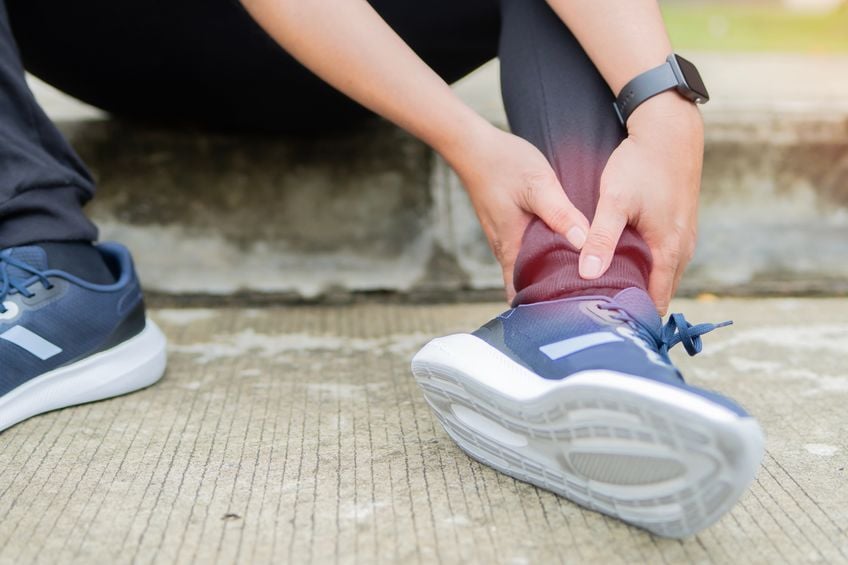
Is It More Than Fatigue?
There has been a surge in endurance athletes, especially millennials who are exploring marathons, ultra-marathons, and high-intensity interval training (HIIT) competitions. The wave of endurance training brings strength and fitness and improves health. At the same time, each run, bike, or lift places repetitive stress on the body. This increases the risk of injuries, even when athletes feel amazing. Many endurance athletes actually begin to build resilience, using pain from running or cycling as a sign of progress. At the same time, there is a difference between soreness, normal training fatigue, and a possible overuse injury on the horizon. Athletes now have to recognize the warning signs and take action, or else suffer a possible overuse injury.

The dangers of overuse injuries
Overuse injuries occur when the repetitive demands of an activity place stress on muscles, tendons, joints, or bones. When the stress exceeds what the body can recover from before the next session or game, the risk of injury increases significantly. When this cycle finally causes an injury, the body part can no longer keep up and breaks down. Common overuse injuries occur in major joints like the knees, shoulders, elbows, hips, and wrists. The lower body is also prone to overuse injuries. Tendinitis is the most common form of overuse injury. Tendons connect muscle to bone, and when these are stretched or inflamed, tendinitis occurs. Runner’s knee, shin splints, tennis elbow, and stress fractures are other forms of overuse conditions and injuries. Overuse injuries are also common when training becomes too intense too quickly or athletes forgo recovery. Common symptoms include pain, swelling, inflammation, stiffness, poor range of motion (ROM), and limited mobility.
Are there final warning signs?
Overuse injuries often have clear warning signs. Endurance athletes can confuse these warning signs with normal fatigue or soreness. Some athletes notice pain during exercise or activity that gradually worsens with each passing session. Soreness becomes persistent, extending past the normal 1-3 days that is often considered the norm. Noticeable stiffness, swelling, or weakness are final warning signs that the body needs attention. Some athletes may also notice a gradual decline in performance or quitting activity much sooner than before. This is often because of a nagging soreness or pain that continues during rest. Aches also become more frequent, more intense, or harder to ignore. Do not mistake these signs for growing pains or normal wear and tear.
Should you stop training?
Continuing to exercise through these symptoms can be dangerous and impact future activity. Ignoring warning signs will worsen an underlying overuse injury. If something feels off or performance declines because of repeated pain or discomfort in a specific area, stop. Endurance athletes should reduce or stop the activity that causes pain and seek medical evaluation. If symptoms persist, worsen, or interfere with normal movement, you have even more reason to seek help. Severe pain, significant swelling, or difficulty bearing weight can indicate a more serious injury. A doctor or orthopedic specialist can perform physical tests or recommend scans to find the root cause of the pain and provide treatment.
Early evaluation, early treatment
The earlier an athlete stops to get help, the more likely the injury is to resolve without significant future damage to the area. For instance, failing to address runner’s knee can lead to instability of surrounding muscles and ligaments. The risk of a more severe anterior cruciate ligament (ACL) tear rises significantly. Early evaluation also increases the effectiveness of non-surgical treatment. Physical therapy (PT) or regenerative medicine may be recommended along with rest. Some patients may need to reduce activity and create a custom plan to gradually increase endurance. Others need to strengthen surrounding weak muscles to reduce overuse on joints. The sooner treatment comes, the lower the risk of long-term injuries that would require surgical intervention. If surgery is necessary, early evaluations mean techniques like arthroscopy can be recommended and are much more effective.
Make the right choice
Overuse injuries can set back endurance athletes months and significantly impact performance. These injuries can happen when athletes ignore early signs or mistake them for normal muscle fatigue. Athletes who make recovery a priority and take action when symptoms are consistent or worsening are likely to address overuse injuries promptly. Seek support from sports doctors or specialists who understand how overuse injuries develop. Early intervention and addressing warning signs can help create individual therapy or support plans. If treatment or surgery is needed, a quick response helps minimize downtime and speed recovery. All endurance athletes should keep an eye on overuse injury symptoms just as much as a personal best time or distance.