Do Bone Spurs Always Need Surgery?
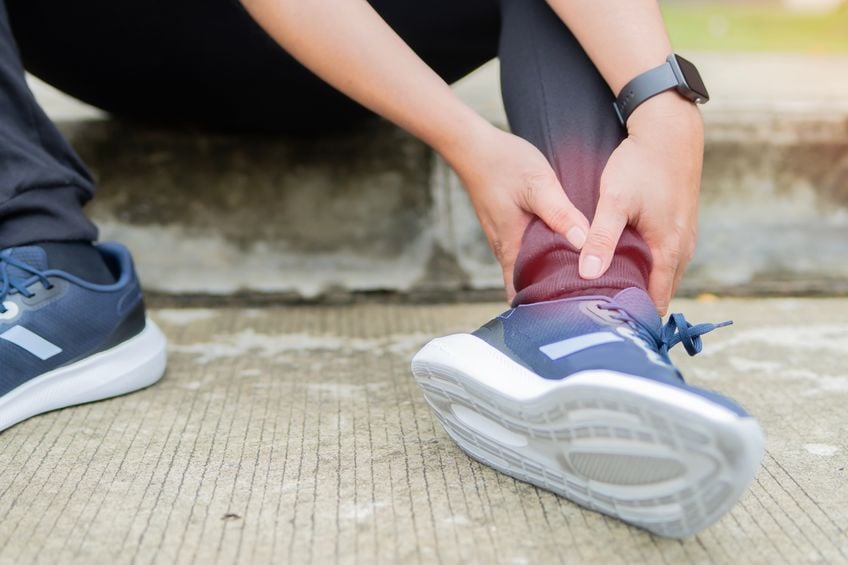
Being told a bone spur is contributing to joint pain can sound alarming. Many people immediately assume surgery is inevitable. In reality, bone spurs are often managed without surgery, particularly when symptoms are mild to moderate. Treatment frequently focuses on reducing irritation, improving joint function, and making daily activities more comfortable.

Improving joint mechanics
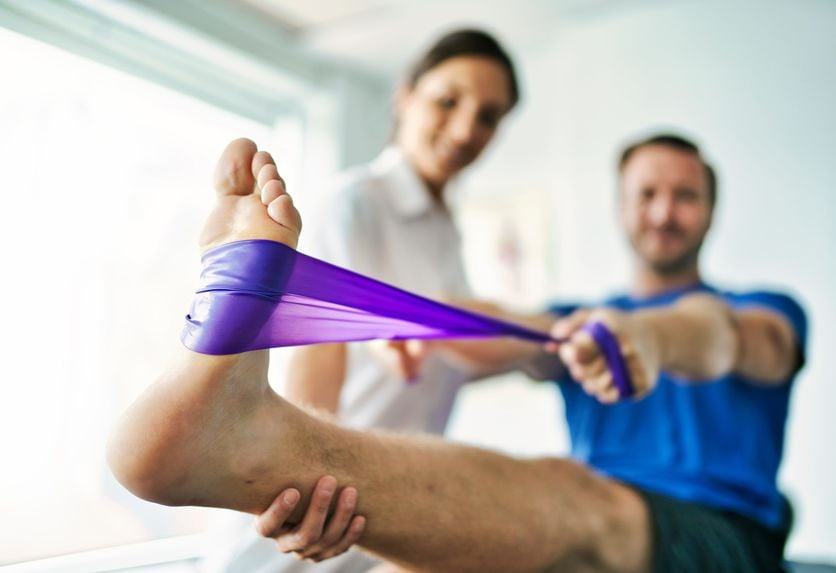
Physical therapy (PT) cannot make a bone spur disappear, but the rehab may help reduce the stress placed on the affected joint. Tight muscles, limited mobility, and poor movement patterns can sometimes increase irritation in the surrounding tissues. Treatment often focuses on improving movement quality and strengthening the structures that support the joint. The exercises help some patients move more comfortably despite the presence of a bone spur.
Addressing the source of irritation
Bone spurs often develop in joints that have experienced years of stress, friction, or degeneration. While a bone spur cannot be reversed through lifestyle changes, reducing some of the forces acting on the affected joint may help limit irritation. Depending on the location, adjustments such as supportive footwear, avoiding repetitive movements, modifying exercise routines, or losing excess weight may help reduce pressure and improve comfort during everyday activities.
Finding relief during flare-ups
Symptoms associated with bone spurs are not always constant. Pain may become more noticeable after long periods of standing, exercise, repetitive movement, or other activities that place stress on the affected joint. Anti-inflammatory medications are often used to help calm irritation during flare-ups. Some patients also benefit from topical treatments that can be applied directly to the painful area rather than taking medication by mouth.
Taking pressure off the joint
Not every treatment focuses directly on the bone spur. In some cases, the goal is reducing the stress placed on the affected joint during everyday activities. Custom orthotics, braces, or other supportive devices may help redistribute pressure and improve joint mechanics. For patients whose symptoms are linked to specific movements or weight-bearing activities, relatively simple adjustments can sometimes make a noticeable difference in comfort.
When surgery becomes an option
In some cases, a bone spur causes little to no discomfort and may never require treatment at all. Surgery is more likely to be discussed when the spur is physically limiting joint movement, repeatedly irritating nearby tissues, or continuing to cause pain despite other treatments. Depending on the location, surgery may involve removing the bone spur or addressing additional joint damage contributing to symptoms.
More options than many expect
A bone spur diagnosis often raises questions about surgery, but the presence of a bone spur alone does not determine the next step. The location of the spur, the severity of symptoms, and the impact on daily life are often more important factors. For many patients, exploring nonsurgical treatments first provides a better understanding of what relief is possible before considering a more invasive approach.