Time For Achilles Tendon Repair?
As the longest and strongest tendon in the body, the Achilles tendon is under constant demand, especially from athletes. The tendon connects the calf muscles to the heel bone, allowing movements like walking, running, jumping, and pushing off the ground. Despite being the strongest tendon, ruptures are possible, especially during contact sports. Sudden changes in direction or explosive movements can also cause ruptures. In almost all cases, Achilles tendon repair is necessary to restore function. Surgery is especially important for athletes who want to resume sports, restore strength, and reduce the risk of re-rupture. Surgery for such a necessary and complex tendon seems intimidating, but understanding the procedure and lengthy recovery can help patients feel more prepared.

All about ruptures
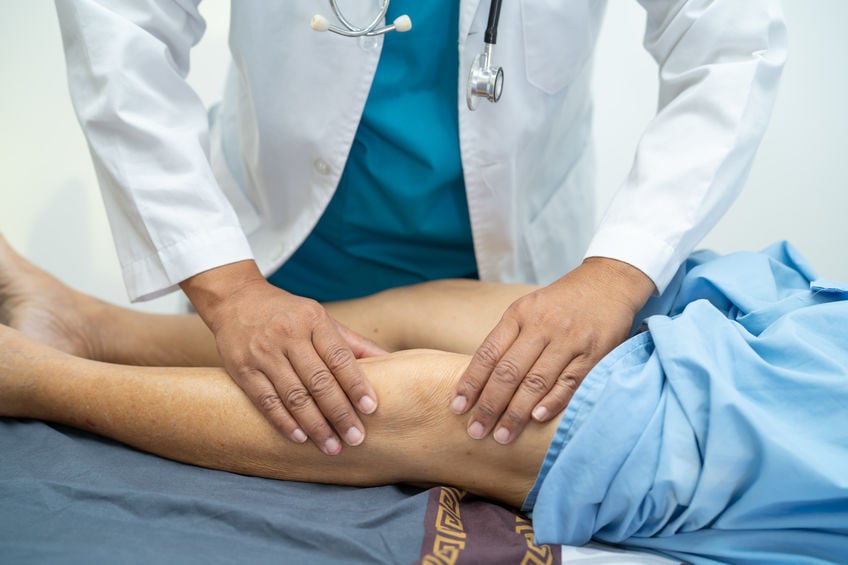
An Achilles tendon rupture occurs when the tendon tears partially or completely. This injury is most common among adults participating in activities that involve sprinting, jumping, or sudden acceleration. Football, soccer, hockey, and basketball are the most common sports where Achilles tendon tears occur. Individuals who experience an Achilles tear report a popping sensation in the back of the ankle, often suddenly and without contact from anyone else. Other symptoms include sudden pain, weakness, difficulty pushing off the foot, ankle swelling, and bruising. Whether partial or complete, the injury requires quick evaluation and imaging by an orthopedic specialist to determine the most appropriate treatment plan.
Why choose surgery?
Not every Achilles tendon rupture requires surgery. Partial tears can respond to non-surgical treatment consisting of immobilization, physical therapy (PT), and pain management. A complete rupture, however, needs surgical reinforcement and support, which significantly reduces the chances of another rupture. Surgery is also recommended for younger, active individuals, competitive athletes, and patients who want to restore Achilles tendon strength. Surgery can be a difficult choice, so lean on the support of the orthopedic surgeon. The decision depends on factors such as age, activity level, overall health, and the location and severity of the tear.
Understanding Achilles tendon repair
The goal of surgery is to reconnect the torn ends of the tendon. This process strengthens the tendon and facilitates gradual healing in the tendon’s natural position. Achilles tendon repair is typically performed under general or regional anesthesia. During surgery, the orthopedic surgeon makes an incision along the back of the ankle to access the damaged tendon. Any debris is removed, and the torn ends are carefully reattached using strong supportive sutures. After the procedure is complete, the surgeon closes the incision and wraps the foot and ankle area in the appropriate bandages. Thanks to advancements in surgery, minimally invasive techniques can be used. The smaller incisions mean a faster procedure, less blood loss, and fewer complications. The procedure takes up to 2 hours, with most patients leaving the hospital or surgical center the same day.
First stage of recovery
Achilles tendon recovery is a long, detailed process involving multiple stages and several months of physical therapy (PT) tailored to the patient. Following surgery, the repaired tendon needs protection while healing begins. Patients are typically placed in a splint, cast, or walking boot with the foot positioned downward to reduce tension on the tendon. Pain management and wound care are essential at this stage and set the foundation for PT later. Swelling, stiffness, and discomfort are expected during the first few weeks, but these symptoms gradually improve as healing progresses. Mobility is limited to crutches or mobility aids to avoid placing weight on the leg. After this period, the patient can begin the full PT process.
The power of PT
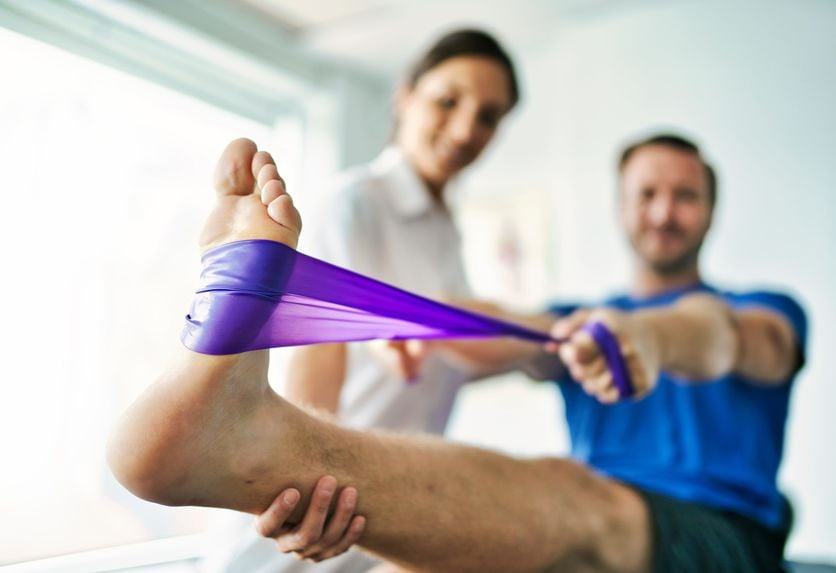
Physical therapy is essential for restoring flexibility, strength, balance, and function. This involves a range of exercises that gradually increase strength and improve range of motion (ROM) without stressing the tendon. These exercises can feel basic at first, but each step builds on the other, restoring optimal function layer by layer. Strengthening exercises for the calf muscles and lower leg become increasingly important throughout rehabilitation. PT takes multiple sessions per week for several weeks. At least 4 weeks after surgery, patients begin partial weight-bearing in a walking boot. Full weight-bearing is introduced gradually based on healing progress and physician guidance. Walking unassisted for short distances occurs several weeks later, and pain reduces and function improves. Patience is important, as pushing too hard too soon can extend the process.
Returning to sports
Recovery looks like stretches, extensions, heel raises, and single-leg balance exercises. Each week, the therapist may add weight or variation to the routine. Additional massage or support exercises are used for a holistic approach unique to the patient. Some short walking and running sessions are introduced to further reinforce the tendon. Patients can often return to walking unassisted about 10 – 16 weeks after surgery. Many patients are eager to know when a return to running, sports, or high-impact activities is possible. While every recovery is different, returning to full sports can take up to 12 months. Factors that impact this timeline include tendon healing rate, patient age, adherence to PT, and overall conditioning.
Trust the process
Achilles tendon repair is the best way to restore significant improvement in strength, mobility, and function. This is only part of the story, with proper rehabilitation necessary for several months before returning to sports. Recovery looks like a series of simple yet effective exercises that increase in intensity and frequency. Along with pain management, proper nutrition, and sleep, the recovery should be completed in 6-12 months or longer. While the early weeks can be challenging, each phase of rehabilitation plays an important role in restoring mobility and strength. For recovery to be effective, doctors require patience, PT consistency, and dedication. When done well, Achilles injuries can be addressed using Achilles tendon repair.