Ready To Resume Your Sport?
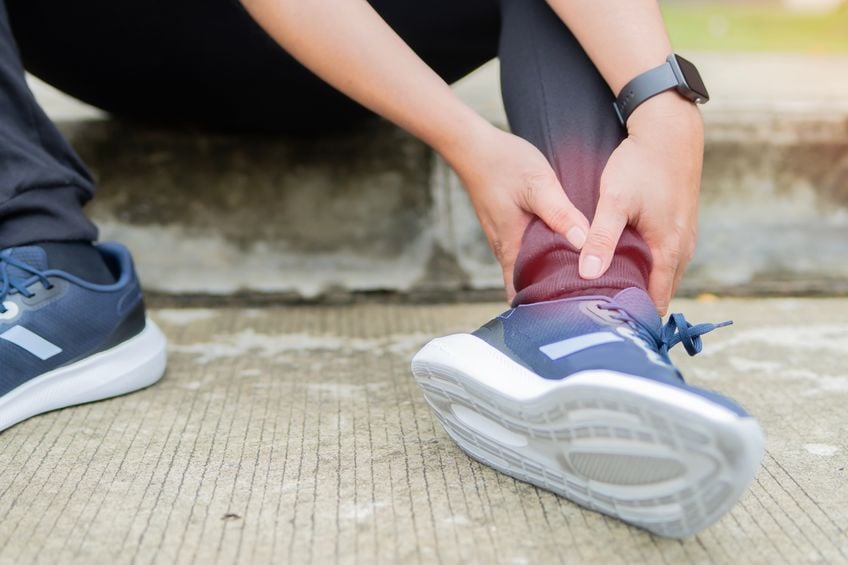
People who watch and play lots of contact sports know the image of an Achilles tear all too well. The athlete is running or about to push off one leg to change direction. Then suddenly, a pop or ruptured feeling in the heel or ankle. Most times, no one is immediately nearby to cause the injury. For an athlete, an Achilles tendon rupture means surgery and several months of rehabilitation. The issue is not surgery, but the length of time the athlete will be away from sports. Peak performance athletes want to return with the strength, power, and confidence needed to perform at a high level. Resuming sport means understanding and following the recovery timeline. Athletes who are informed and have realistic expectations to resume sports while reducing the risk of reinjury.

Why recovery matters
The Achilles is the largest, strongest, and arguably the most important tendon for athletes. The tendon plays a critical role in walking, running, jumping, and explosive athletic movements. An Achilles rupture impacts mobility and significantly limits athletic performance. Following surgical repair, the tendon needs time to heal and regain strength. Recovery involves much more than healing the tendon. The Achilles must work together with all muscles and ligaments. Calf strength, balance, flexibility, endurance, and movement mechanics must all be restored before returning to sports.
What’s the timeline?
An Achilles tendon rupture and repair can feel devastating for athletes, as the understanding is that the individual will miss significant time from sport. On average, athletes will miss at least 1 full season of sport. The recovery timeline starts with at least 4 weeks of facilitating healing and protecting the repair. Patients are typically placed in a cast, boot, or brace that limits ankle movement. The primary goal is limiting swelling and pain, protecting the repair, and maintaining mobility. Initial exercises after the first 2 weeks of recovery also aim to reduce as much muscle loss as possible. This 4-6-week process seeks to lay the foundation for physical therapy (PT) and all-sport conditioning that follows.
Restoring mobility and strength
After protecting the repair and healing process, PT becomes increasingly important. Patients begin working on restoring ankle motion and gradually rebuilding strength. The exercises help to build strength, flexibility, and mobility. Gentle stretches improve range of motion (ROM) while balance and stability training help with long-term movement. Exercises become progressively challenging while techniques are used to restore walking mechanics and gait. This initial PT process takes an additional 4-6 weeks to complete, bringing the initial therapy period to 3 months.
Building athletic function
At the 3-month mark, patients can begin to walk with little assistance. For athletes to return to sport, however, this is where the real work begins. This part of rehabilitation focuses on restoring the functional abilities required for sport. The repaired tendon is stronger, but significant deficits that prevent athletic performance often remain. Therapy increases in intensity and power. Single-leg exercises dominate the process to build strength, including calf raises and eccentric loading programs. Agility drills and plyometric exercises that align with the patient’s sport also become a key part of recovery. Low-impact cardiovascular training also helps with endurance. This process can take 3 months, bringing the recovery timeline to at least 6 months.
Time for sport
The final part of Achilles tendon recovery involves preparing for a return to sport. This process can take an additional 3-4 months, bringing the timeline to at least 12 months. This stage of recovery uses exercise to bring explosive power. Exercises also help eliminate movements that cause the athlete to compensate on the other leg. This period involves team coaches, with the athlete required to meet specific benchmarks before returning to sports. There is also the mental aspect to consider, with athletes trained to improve confidence in the repaired tendon. When done consistently, most athletes return to optimal performance without issue.
Bringing it all together
Achieving peak performance can take up to 12 months. At the same time, no 2 recoveries are alike. Different factors that impact the speed and quality of recovery. Athlete age, health, and injury severity all matter. Surgical technique, application of rehabilitation, and injury history all matter. Athletes who follow a structured rehabilitation plan and remain patient throughout recovery often achieve the best long-term outcomes. Doctors recommend that patients follow the process. Returning to sports too soon may increase the risk of re-rupture, chronic weakness, or compensatory injuries. Surgery has high success and satisfaction rates, but return to sport depends on a disciplined rehabilitation process.