Are You Overusing A Muscle?
When most people think of muscle Injuries, athletes are some of the common groups of people who will experience such problems. However, a variety of underlying factors can contribute to physical damage and aren’t just limited to athletes. In particular, both active individuals and even more sedentary types can experience overuse injuries. For example, both ACL tears and carpal tunnel are often caused by repetitive activity. Whether from high-velocity motions or repeated movements without proper form, the results are the same. Sustained damage at the same location can ultimately limit mobility and, if left untreated, spread to surrounding tissues.

Understanding overuse injuries
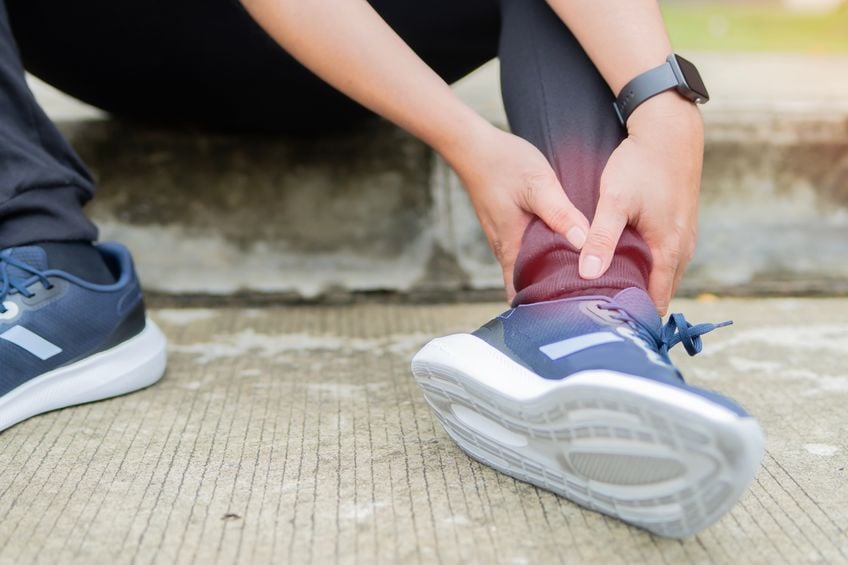
In most cases, an overuse injury occurs when the same body parts are being used without sufficient time for the area to heal. For athletes, shoulder and knee damage result from frequent, sustained joint motion. In this demographic, the most common cases will depend on the sport being played and may include knee, elbow, and shoulder injuries. With non-athletes, back pain, carpal tunnel in the hands and wrists, and even plantar fasciitis are more likely. Similarly, stress fractures, Achilles tendonitis, and shin splints are overuse injuries a person might experience.
Resting vs not training
In the immediate day or two following an overuse injury, people are urged to rest and to keep the affected area immobilized, ideally. Many people may be familiar with the rest, ice, compress, elevate (RICE) method. Rest helps prevent damage from spreading to nearby areas and, in some cases, may be enough to reverse symptoms. Strategically applying ice to the injury also reduces inflammation as does compression and elevation. Yet, if symptoms persist, then more interventions are needed. The most common long-term solutions include in-office treatments or physical therapy to rebuild functionality and learn proper form to prevent future injuries.
When to stop training
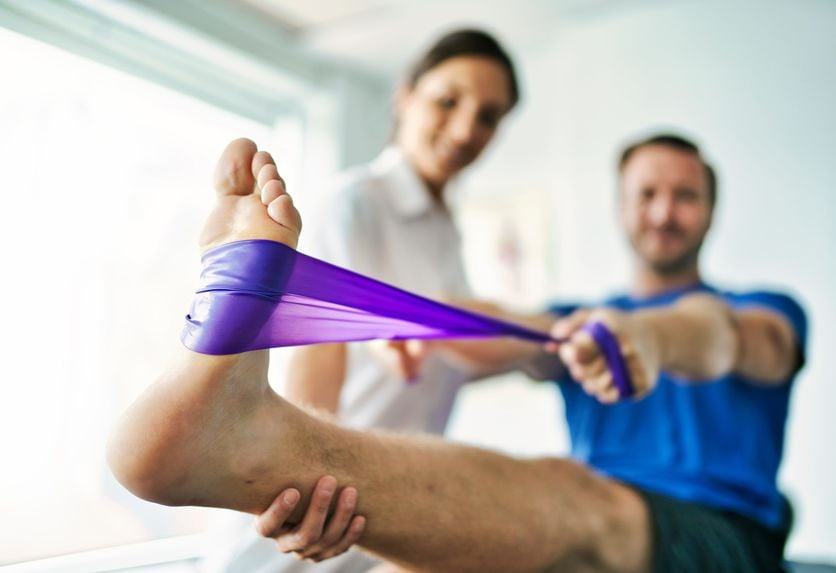
Most experts recommend temporarily pausing training in the first few days after an injury. The goal is to prevent additional damage and to give the tissues time to heal. If, during activities, a person experiences pain with motion, persistent pain, reduced mobility or a sustained decline in performance, taking a break is a smart choice. Physical therapists might recommend switching to non-impact activities, known as active recovery. Such movements can include swimming or biking, which don’t put excessive pressure on injured areas. Likewise, PT is effective for teaching proper movement and form, introducing gentle stretches, and teaching safer exercise methods.
Know when to seek help
For many people, at-home therapies such as the RICE method and letting enough time pass to promote healing are more than sufficient to reverse an overuse injury. In other cases, people might require in-office interventions like steroid shots or even minimally invasive outpatient operations to correct more widespread damage. Regardless of which pathway provides the most effective long-term relief, being proactive about an overuse injury is critical. Avoid letting pain linger, and work with a physician if, after a few days, pain, discomfort, and reduced mobility persist.