The Journey After ACL Reconstruction
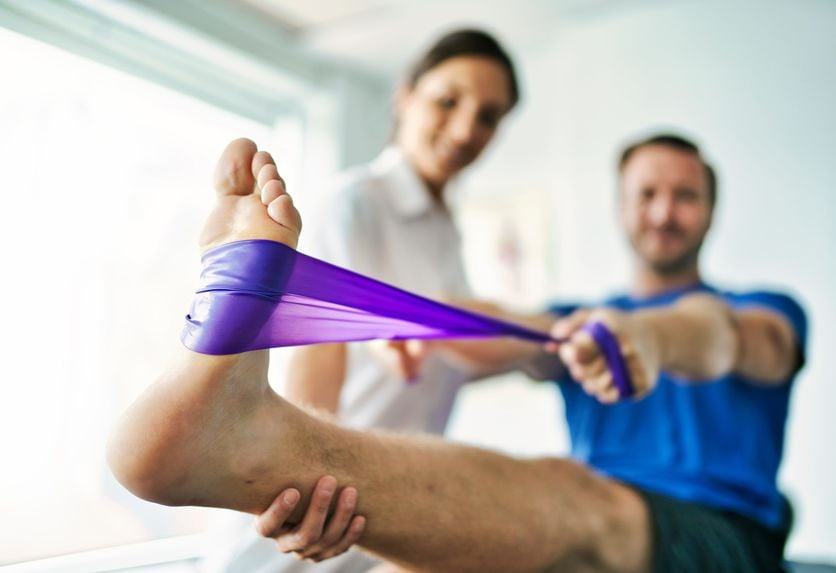
An anterior cruciate ligament (ACL) tear is a common injury among athletes, especially those in high-performing arenas. This is a tear to the ACL, which stabilizes the knee. In the past, ACL tears signaled the end of an athletic career. Thanks to advancements in ACL repair, along with the use of minimally invasive surgery (MIS), a full recovery is possible. ACL reconstruction, while effective, is part of a long recovery process. A major part of the post-ACL reconstruction journey involves physical therapy (PT), which helps restore strength and mobility. With PT, quality is just as important as quantity. Knowing the best PT exercises to use, both inside and outside the therapist’s office, can significantly boost success.

Why optimal recovery matters
Statistics show the average patient needs 8-12 months to return to full contact sports. During that time, PT and rehab are at the core of recovery. Effective post-surgical rehabilitation ensures the graft integrates properly and minimizes stiffness or weakness. The right exercises and stretches also ensure the surrounding muscles are strong and flexible enough to support the new graft. Best of all, optimizing recovery can cut the recovery timeline, often by weeks or months. Without proper recovery, there is a higher risk of joint weakness, incomplete recovery, ongoing pain, or recurrent tears, especially in athletes. The goal, therefore, is to perform the right exercises and stretches that support strength and recovery. These 3 physical therapies are often part of the typical recovery program, even providing support long after healing.
1. Get your quads in order
The quadriceps support the knee during post-ACL reconstruction. These muscles must also be activated to ensure long-term mobility and power. Quad sets are an early-stage ACL recovery exercise that helps reestablish muscle strength. To perform the exercise, while lying down with the leg straight, place a rolled-up towel under the knee. Tighten the quadriceps to press the back of the knee down on the towel. Hold this position for 5-10 seconds, then release. Repeat as many times as recommended by a physical therapist. This exercise prevents the quads from shutting down after surgery due to swelling, preparing the leg for movement.
2. The power of straight leg raises
Straight leg raises are a standard exercise for knee injury recovery, advancing quad strength further while building gradual strength. The exercise prepares the knee for weight-bearing exercises and improves gait mechanics. Knee raises are performed while lying down on a bed or a physician’s table. Extend the injured leg straight and tighten the quadriceps muscles. Keeping the leg straight, lift the leg 1-2 inches into the air and hold for 5-10 seconds. Return to the starting point and repeat as recommended by a PT.
3. Let’s slide those heels
Heel slides take recovery further and are key to optimizing the benefits of ACL reconstruction. This exercise restores the knee flexion range of motion gently, which is essential for the new ligament. Heel slides also reduce post-op stiffness and are essential for better daily function, like sitting or stairs. Athletes also depend on heel slides to boost circulation, control swelling, and set up progression to advanced strengthening. Performing heel slides is simple, starting with the patient lying face up with both legs extended. Slide the heel of the injured knee as close toward the buttocks as possible. Stop at the point where pain or discomfort is felt, as the range of motion (ROM) will improve over time. Hold the position for a short period, then extend the leg to the starting position. Exercise tools like heel slides can make this exercise easier.
Get back in the game
ACL reconstruction is an effective procedure for significant ACL tears, with high success rates. For surgery to be effective, however, requires consistent physical therapy. Getting the most out of PT requires exercises that optimize this timeframe. Quad sets, leg raises, and heel slides provide amazing results with minimal effort. These exercises are just part of a comprehensive post-ACL reconstruction strategy. Follow all additional exercises both with and without the therapist. Adopt a healthy diet, minimize inflammation, and make sleep a priority. When done right, patients with ACL injuries can return to the highest levels of sports and knee wellness.