Recovering From Sports Injuries
Whether a person is a professional or amateur athlete, getting injured is part of the experience. Although not ideal, most people are able to fully recover. Sometimes, at-home treatments are more than enough to get an athlete back on the field. However, depending on the severity of the injury, a person might need additional medical interventions, including surgery. Sports injuries can be incredibly frustrating because the experience can sideline an athlete. More importantly, if recovery isn’t managed properly, a person can experience permanent damage that can not only end careers but lead to reduced mobility and function as well as constant pain. Here are 3 common sports injuries and the most likely treatment methods for recovery.

1. Runner’s knee
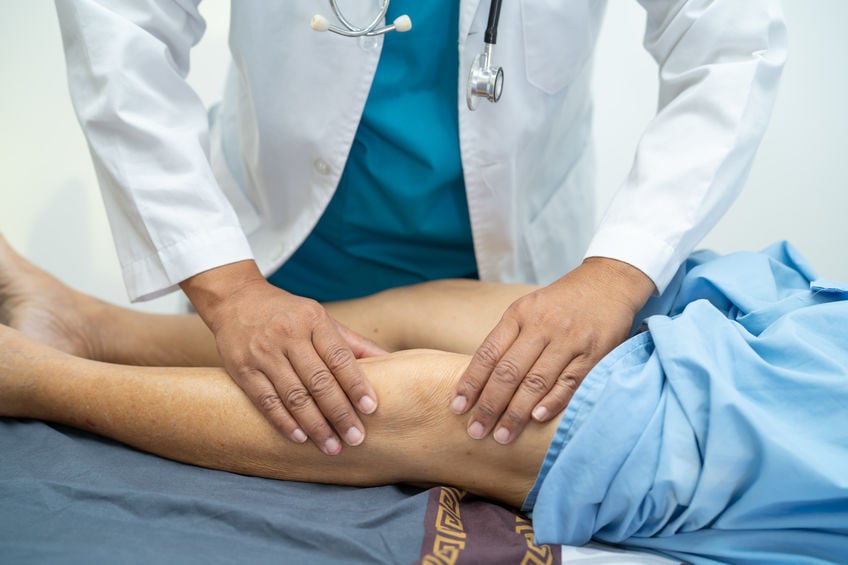
Many people assume that contact sports contribute to the most common injury. However, runner’s knee is the number one injury, representing roughly 55% of all sports injuries. Officially known as patellofemoral pain syndrome (PFPS), runners know occurs when a person experience pain in the front of the joint around the kneecap or patella. Poor form and overuse are some of the most common causes along with not stretching before running and having direct blunt force trauma or injury to the joint. Condition severity will dictate the best treatment method but for many people the RICE method (rest, ice, compression, and elevation) is sufficient. Some people will also benefit from over-the-counter (OTC) medications and from using a knee brace or orthotics. Likewise, stretching and strengthening exercises can help to keep tissues flexible while also ensuring joint stability.
2. Shoulder Injuries
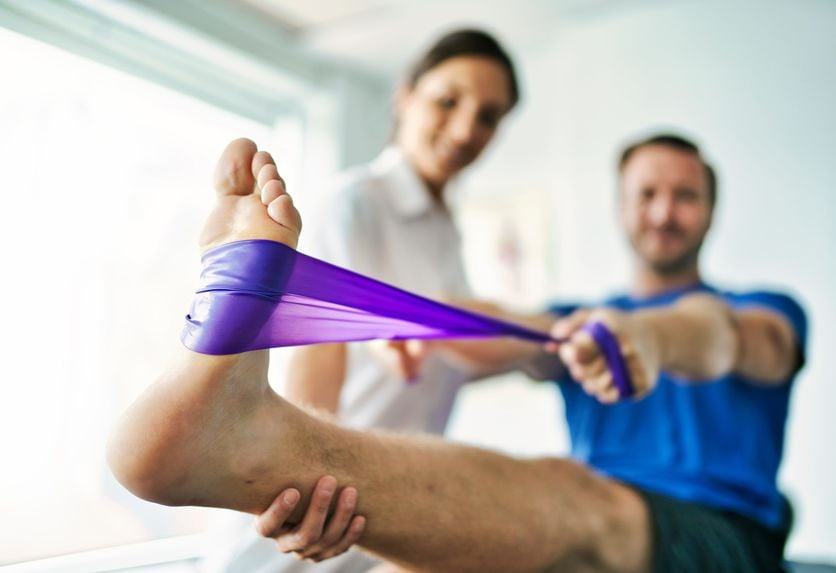
After runner’s knee, shoulder injuries account for another 20% of sports injuries. The most common sources include sprains, strains and dislocations. These conditions are most likely caused by overuse and are most common with overhead motions used in volleyball, swimming, and tennis. If the injury is mild enough, at-home care with the RICE method and OTC medications is sufficient. Some people might benefit from receiving a steroid injection to reduce swelling and ease symptoms. In more severe cases, surgery may be necessary to remove damaged tissue or insert a replacement graft. Patients might be encouraged to undergo physical therapy (PT), especially if poor form is suspected as a root cause for the initial injury.
3. Ankle sprains
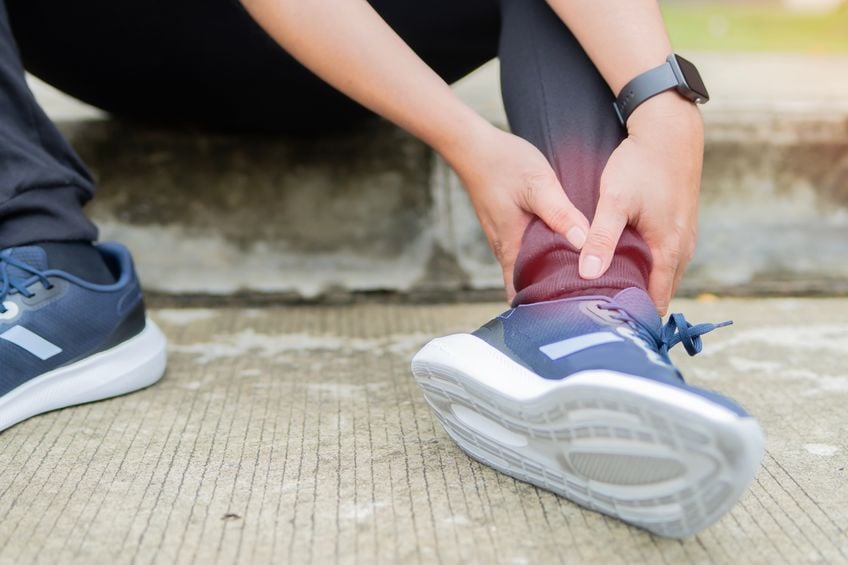
Rounding out the most common injuries are ankle sprains, which can occur to anyone regardless of activity level but are particularly common among athletes. Typically, the damage results from sudden stops or starts, or quick turns, which can twist the ankle or tear ligaments and tendons. Diagnosis is usually performed through imaging tests as well as a physical exam. Once confirmed, depending on the extent of the damage, some people may be able to focus on at-home care. For more severe injuries, immobilizing the ankle, physical therapy, or even surgery may be recommended.
Stay in the game
No athlete wants to be injured since the experience means sitting out during games and a long recovery road ahead. However, in most cases, overuse, poor form, or blunt force trauma, such as running into another player, are the common causes. Seeking immediate care after an injury is the best course of action. If pain doesn’t resolve after a few days or mobility and range of motion remain limited, consider seeking medical help.