Why Some Routes Hurt More
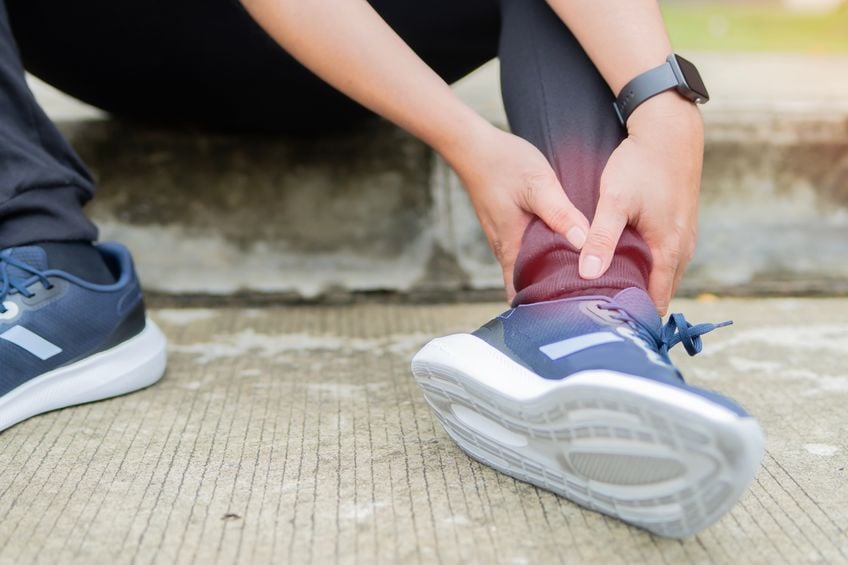
Discomfort during or after runs often gets blamed on age or doing too much. The surface underfoot often gets overlooked, even though each step loads the body in different ways. Sidewalks, roads, trails, treadmills, and park terrain all behave differently. Over time, surface differences show up in joint health, overall comfort, and recovery time. Paying attention to running surfaces can reduce unnecessary strain and make consistent running easier to maintain.

Sidewalk running comes at a price
Concrete sidewalks rank as the hardest surface for running. The material does not compress under impact, so force travels straight from shoes into knees, hips, and the lower back. Short runs can feel fine, but longer or more frequent runs on concrete often lead to soreness that carries into the next day. Spending less time on sidewalks helps. Using concrete for short connectors instead of full runs reduces repeated stress on joints without forcing major route changes.
When asphalt feels easier
Most runners will not feel a dramatic difference between asphalt roads and concrete sidewalks, especially in cushioned shoes. What often feels better about roads is consistency. Asphalt routes tend to be smoother and flatter, while sidewalks tilt, break, and change height at driveways and intersections. Over longer or more frequent runs, that uneven loading can add up. Choosing smoother road surfaces when possible can help keep runs more predictable, even when surface hardness is the same.
Dirt surfaces absorb impact
Packed dirt trails absorb more force than paved surfaces. Less impact travels through the legs, which can reduce soreness after runs. Uneven terrain also encourages slower pacing and shorter strides, both of which reduce stress. Gradual exposure works best. Starting with short trail runs allows the body to adapt without creating new aches.
A reliable indoor option
Treadmills offer a cushioned and predictable surface. The deck absorbs some of the shock that harder surfaces do not. That can make treadmill running easier to tolerate during heavier weeks or when soreness is already present. Adding a slight incline helps maintain natural movement patterns. Treadmills work best as part of a rotation rather than a full replacement for outdoor running.
Why green spaces can be tricky
Grass absorbs impact but often hides uneven ground. Slopes, holes, and soft spots increase strain on ankles and knees. Flat and well-maintained fields work better than roadside grass. Short runs on grass can add variety, but uneven or poorly maintained areas become an issue over longer runs.
Taking pressure off joints
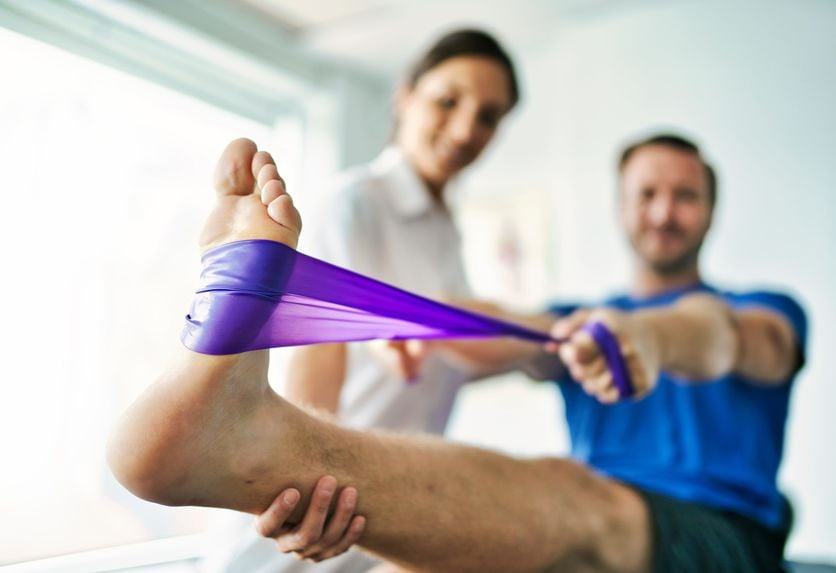
Stronger muscles absorb force before impact reaches knees and hips. Glutes, calves, and core muscles play a major role in supporting and protecting joints across all surfaces. Basic strength exercises a few times a week improves tolerance for running and helps reduce soreness. Even short sessions can make a noticeable difference.
A smarter way to keep moving
Running does not have to hurt to be worthwhile. Paying attention to where runs happen, mixing surfaces, keeping shoes in decent shape, and maintaining basic strength can make running easier to live with over time. These changes are small and practical, not dramatic. Often, they are enough to turn running from something that feels hard to manage into something that fits naturally into a regular routine.