Steps That Lead To Comfort
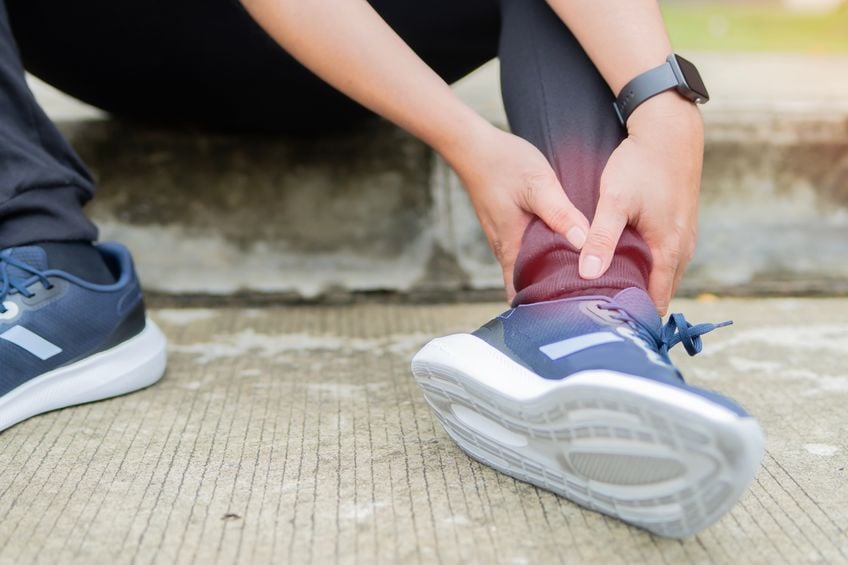
Plantar fasciitis often makes walking feel harder than it should. Heel pain in the morning, aching arches after long days, and frustration when relief feels temporary make everyday life difficult. Inserts can ease the pressure for a while, but lasting relief from plantar fasciitis comes from stretching, building strength, wearing supportive shoes, and, at times, medical care. Relief does not come overnight, but consistent care brings progress.

Stretch to start the day
Morning pain often hits hardest because the fascia tightens overnight. Begin the day by gently stretching before putting weight on the feet. Roll the sole over a chilled water bottle to loosen the tissue and calm inflammation. A simple calf stretch against a wall or using a towel to pull the toes back also works well. These short movements wake up stiff tissue and make the first steps of the day less painful.
Build foot and calf muscles
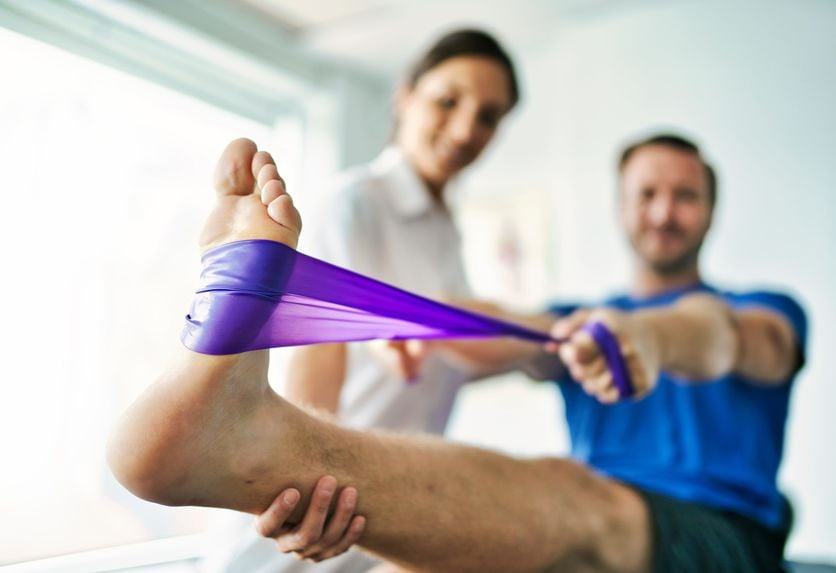
Strong muscles protect the fascia by carrying more of the workload with each step. Calf raises build strength in the lower leg, which eases pressure on the arch. Towel curls or picking up small objects with the toes strengthen the small stabilizing muscles in the foot. Resistance band work adds variety and keeps progress moving forward. Regular strengthening not only relieves pain but also lowers the chance of the problem returning.
Wear supportive shoes
Shoes make a major difference in how much strain feet endure. Supportive pairs with firm midsoles and arch support cushion impact without letting the heel sink too deep. Avoid walking barefoot on hard floors, which leaves the fascia exposed to constant stress. Shoes should be replaced once structure breaks down, even if the outside still looks fine. Daily choices in footwear often mean the difference between ongoing pain and a full recovery.
Give your feet a break
Long periods of sitting or standing allow tension to build in the fascia. Short breaks throughout the day reset the cycle and give the tissue space to recover. Standing up from a desk every hour, walking a few steps, or gently stretching calves can keep pain from creeping in. Rest also matters, especially after activity. Breaks from activity limit overuse and create space for recovery.
Cooling down the pain
When pain spikes, cold therapy provides fast relief. Rolling a frozen water bottle or applying an ice pack under the arch for 10-15 minutes reduces swelling and numbs soreness. Cold therapy works best after activity, when inflammation builds. Unlike inserts that only mask discomfort, targeted icing calms irritation at the source and speeds the natural repair process.
When surgery is necessary
If pain lingers despite steady care, medical support can confirm the diagnosis and guide the next steps. Physical therapy often provides targeted exercises and relief. When those measures do not resolve the problem, a surgeon can step in with procedures designed to release tight tissue and restore lasting comfort. Professional care ensures progress continues rather than stalling.
Moving toward better days
Relief from plantar fasciitis does not come overnight. Progress builds through daily habits, consistent care, and professional guidance when needed. Each stretch, each walk without pain, each night of better rest marks a step forward. With time and commitment, feet can regain comfort, strength, and freedom from constant soreness.