Treating Joints At Any Age And Stage
Joint health is essential to moving whether in everyday tasks, performing at work, or sports. At different ages and stages, joints are prone to injuries and unpleasant conditions. Some issues or injuries arise from accidents, falls, or collisions during sports. Other joint issues are unfortunate challenges of aging. Modern medicine has been essential to improving symptoms, repairing damage, and keeping individuals moving. Speaking with a medical professional, like an orthopedic surgeon, is the first step to addressing any immediate or chronic joint concern. The doctor can recommend an effective treatment plan based on the individual needs of the patient.

Sports injuries that lead to joint damage
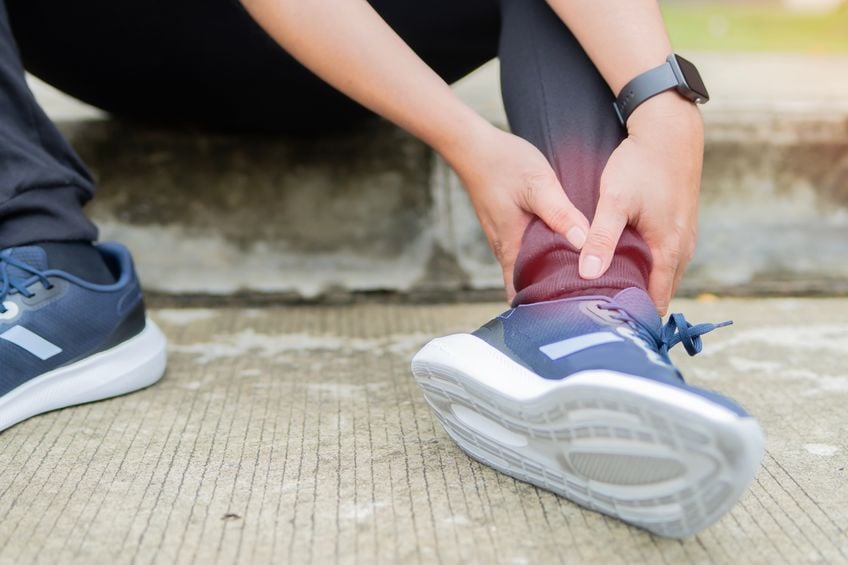
Casual sports players, weekend warriors, and seasoned athletes can experience joint injuries, especially in contact sports. Sprains and strains of ligaments and muscles in the shoulder, elbow, knee, or ankle are common examples. These injuries are caused by overstretching the ligaments during play. Overuse injuries, like tendonitis, are always common. More severe injuries like torn ligaments, torn tendons, fractures, and dislocations can occur from collisions, twists, falls, or repetitive stress. The type of injury will determine the best treatment option, ranging from conservative options to surgery.
Do you need a joint replacement?
The bones and cartilage in joints are prone to general wear and tear. Conditions like osteoarthritis can impact knees, hips, shoulders, and ankles. This condition can progress over several years or even decades, creating unpleasant symptoms. Pain, stiffness, rubbing, and reduced mobility are typical arthritic symptoms. Autoimmune conditions like rheumatoid arthritis can severely damage the joints. If conservative treatment fails, joint replacements can help. Joint replacements are especially useful for patients at an advanced age who still wish to enjoy pain-free mobility. The surgeon can partially or completely replace the damaged joint with a prosthetic implant, thereby eliminating the source of pain.
Addressing joint issues with regeneration
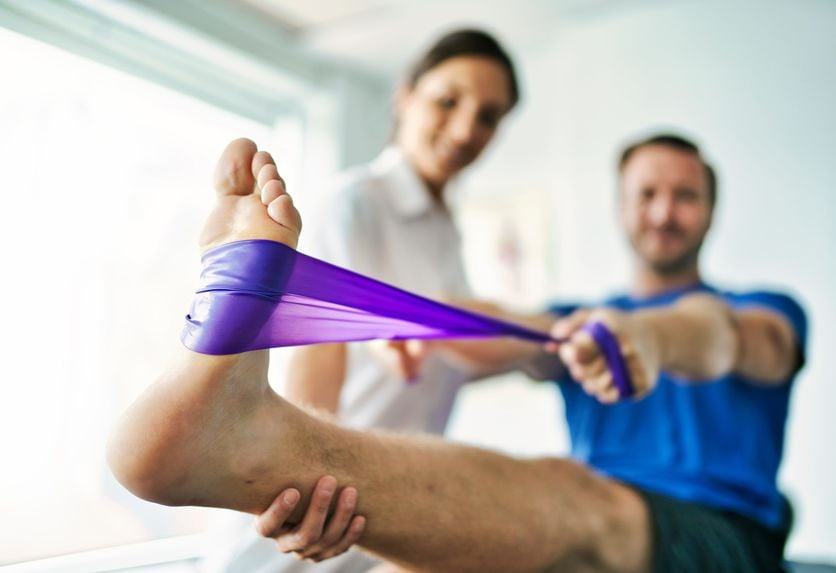
Whether a sports injury or degenerated joint, more doctors are using innovative treatments to help patients regain the appropriate mobility. One of the more modern innovations involves using the patient’s natural healing factors to heal the joint. Regenerative medicine uses platelet-rich plasma (PRP), which takes platelets from the patient’s blood to inject into the joint. This strategy reduces swelling and inflammation while accelerating healing. Stem cells extracted from bone marrow are another popular option known to help regenerate tissue. PRP and stem cell therapies are surgery alternatives. When combined with physical therapy (PT), regenerative medicine can help patients move faster.
Minimally invasive surgery to keep you moving
While regenerative medicine is effective, the therapy may not be ideal for more severe ligament tears or damaged joint tissue. Surgery can help reattach tendons, reconstruct ligaments, or perform total joint replacements. Innovative surgical centers can use minimally invasive surgery (MIS) to perform the required procedures. MIS uses small incisions of less than 2-3 inches and arthroscopy to access and repair the joint. This technique guarantees smaller scars, less blood loss, and less postoperative pain. As a result, patients generally recover faster than open surgery. Minimally invasive procedures can include joint replacements or ligament reconstruction.
Modern problems, modern solutions with robotics
Some surgical centers have access to robotic-arm-assisted surgery. This technique uses robotics and advanced technology to improve the speed and accuracy of MIS. For instance, robotic arm surgery can perform a total knee replacement. The surgeon controls the robotic arm behind a console and the device can adjust automatically to ensure the joint replacement is accurate. Robotic arm surgery is also breaking into the ligament repair space. Surgeons can perform more accurate procedures despite the experience gap. Patients also recover faster and have more accurate results, leading to a faster return to sports or work.
Stay moving, regardless of your joint issue
Whether a sport injury or severe degeneration of a joint, there are helpful solutions available. Patients can see results with conservative treatment, including regenerative medicine. For severe cases, however, surgical intervention is best. There are innovative options, including MIS and robotics, that can create favorable outcomes. With modern medicine, athletes can return to sports faster and those needing joint replacements can enjoy improved mobility.