Building A Stronger Shoulder
Rotator cuff injuries can turn the simplest movements into daily challenges. Arthroscopic surgery repairs the tendon and starts recovery so the shoulder can work better. Recovery follows a clear sequence, starting with rest and protection, then moving to gentle motion and finally strength work. Knowing when range of motion (ROM) is likely to return helps set realistic expectations and makes it easier to see progress as it happens.

How long shoulder recovery takes
In most cases, only gentle assisted movements are possible during the first few weeks after arthroscopic surgery. Around 6 weeks, many patients begin active ROM exercises under the guidance of a therapist. By 3 months, the shoulder can often move more freely, though full range may still be limited. Most people see big gains between 4-6 months, with the final improvements often continuing up to a year. The pace can vary based on the size of the tear, how well the tendon heals, and how consistently exercises are done during rehab.
What can slow or speed healing
How quickly shoulder movement returns after arthroscopic surgery depends on several factors. Larger tears often need more time to heal before active motion begins. Age can affect how well tissue repairs, with younger people sometimes improving sooner. Health problems such as diabetes or poor circulation can slow the process. The quality of the repair, the methods used by the therapist, and doing the recommended exercises on a schedule all help. Even with the same type of surgery, recovery can vary greatly between people.
Movements to avoid
In the first weeks after arthroscopic surgery, some actions put too much stress on the repaired tendon. Lifting the arm overhead without support can strain healing tissue. Reaching behind the back or across the body can pull on the repair before it is ready. Sudden jerks, heavy lifting, and strong pushing or pulling should be avoided. Even light chores, such as carrying laundry baskets or lifting grocery bags, can slow recovery if done too soon. Leaving these movements out during the early phase allows the shoulder to heal.
Staying loose between therapy
Gentle movement during the day can stop the shoulder from tightening between therapy sessions. Short walks improve blood flow, which supports healing in the joint. Light, safe tasks such as setting utensils on a table or folding small towels keep the arm in use without adding strain. Ice after activity can bring swelling down, and a warm shower before stretching can make motion easier. Sitting and standing with the shoulders level prevents extra stress on the healing area. These habits help maintain the mobility gained in therapy.
The months after surgery
Recovery of shoulder motion after arthroscopic surgery can take months. The largest gains often happen in the first 6 months, but improvement may continue for up to a year. Progress slows as the shoulder reaches its limit, though consistent work can still help. Some stiffness or weakness may remain, especially after larger tears or long periods without use before surgery. Regular follow-up visits help track progress and address any ongoing limits.
Building shoulder strength
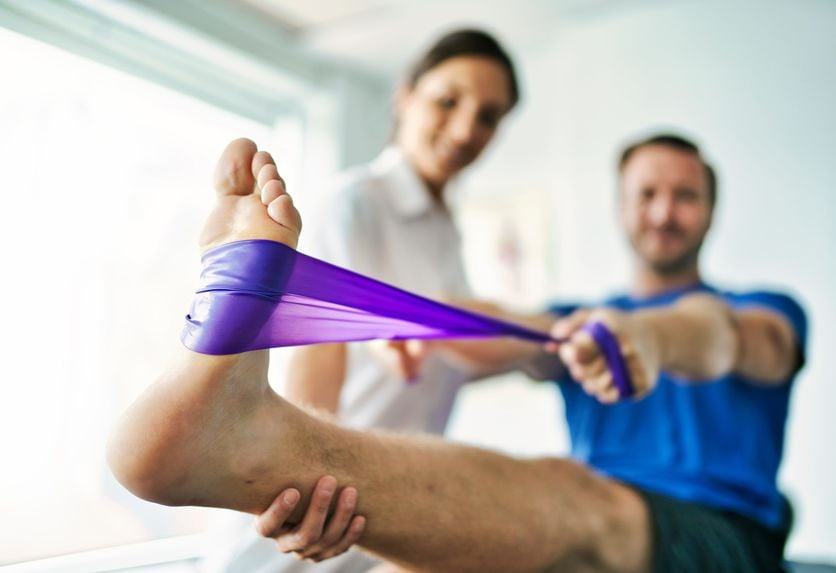
After basic movement returns, light strengthening helps maintain shoulder function. Resistance bands work well for gentle pulls to the side or forward. Light weights, starting at 1-2 pounds, can build endurance without straining the repair. Wall push-ups improve shoulder stability while using nearby muscles. Lifting only within a safe range, as shown by a therapist, keeps motion steady and supports the joint during daily activity. Gradually adding resistance helps prevent loss of mobility.
Reaching the finish line
Recovery after rotator cuff surgery is a gradual process that builds on each stage. Protecting the repair early on, avoiding risky movements, staying active in safe ways, and adding strength at the right time all work together to restore shoulder motion. Timelines vary, but consistent effort and careful guidance provide the best chance for lasting results. With patience, the shoulder can return to comfortable, reliable use for daily tasks.