What Shoulder Pain Is Really Saying
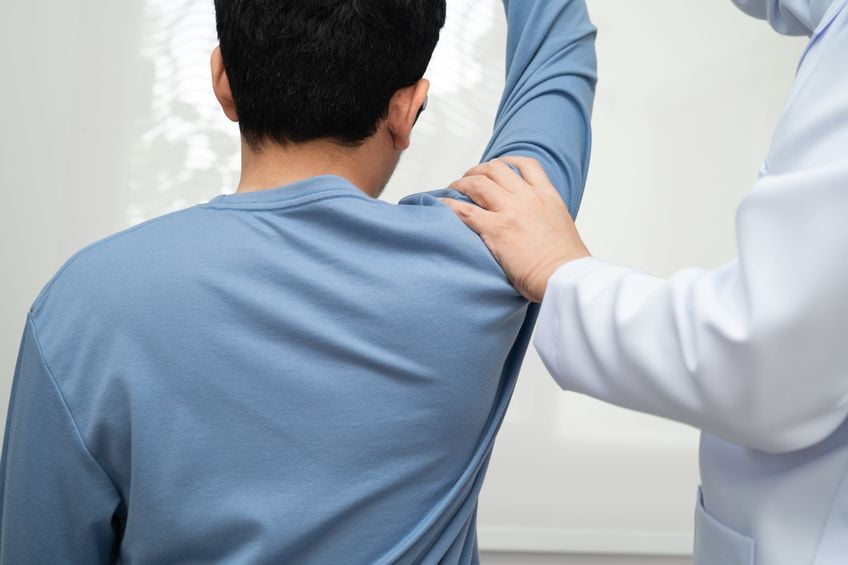
A SLAP tear can start with a sharp pull or a slow ache that builds over time. This injury affects the labrum, the ring of cartilage that keeps the shoulder joint stable. Some SLAP tears improve with rest, therapy, and patience, but others refuse to settle no matter the effort. Knowing the signs that healing has stalled helps determine treatment. When pain, weakness, or instability remain, it may be time to look beyond natural recovery and toward repair.

Pain that will not quit
Shoulder pain that remains for weeks is a clear signal that a SLAP tear is not healing. Soreness may flare with overhead motions, heavy lifting, or even simple tasks like reaching for a seatbelt. Rest and therapy often ease minor injuries, but when aching remains, the damage may be too severe. Lingering pain makes life harder and drains energy. At that point, surgery becomes less about fixing discomfort and more about regaining quality of life.
Lack of strength
Weakness in the arm is another sign that the labrum is not holding the joint steady. Lifting groceries, reaching overhead, or carrying a child can cause the arm to feel unstable or drained of power. Therapy may help build strength, but without solid support, muscles cannot do the job alone. When strength slips again and again despite consistent effort, the joint usually needs more than exercise to recover. Surgical repair provides a stronger base for lasting stability.
Clicking and popping sounds
A shoulder that clicks, pops, or catches during motion often points to a deeper problem. The sound usually comes from torn tissue snagging in the joint. While harmless at first, repeated catching paired with pain means that smooth movement is no longer possible. Everyday tasks like dressing or working out become frustrating. When the clicking will not stop, surgery often becomes the best way to restore clean motion.
Pain after dark
Night pain shows that the shoulder is struggling to heal. Sharp stabs or throbbing aches often wake people as the arm changes during rest. Poor sleep makes recovery slower and everyday life harder. Pillows and position changes may help for a while, but when nights remain broken, the tear is likely too severe for natural healing. Surgery then becomes about restoring both shoulder comfort and healthy rest.
When care hits a wall
Rest, therapy, and anti-inflammatory treatment help many shoulders heal. When these efforts brings no real improvement, it means that the tear is beyond natural recovery. Living with pain and limits after weeks of care takes a toll. At that point, surgery offers the best chance to rebuild strength and stability. Choosing that step is often the difference between living with constant setbacks and moving forward.
From tear to repair
Surgery for a SLAP tear usually means reattaching the torn labrum or trimming tissue that disrupts movement. Most procedures are done arthroscopically, with small incisions and a camera to guide repair. Recovery takes time, beginning with a sling and moving into structured therapy to restore motion and strength. Progress comes step by step over several months, but for shoulders that do not respond to rest or rehab, surgery often provides the best chance at long-term stability.
Finding the way back to stability
Shoulder pain that never eases, strength that keeps slipping, and nights broken by aches all point to a SLAP tear that will not heal without help. Living that way wears down patience and makes even simple tasks harder. Over time, the shoulder can feel less like a part of the body and more like a constant burden. Choosing repair is not an easy decision, but it can bring back comfort and stability that no amount of waiting will provide.