When A Knee Feels Unstable
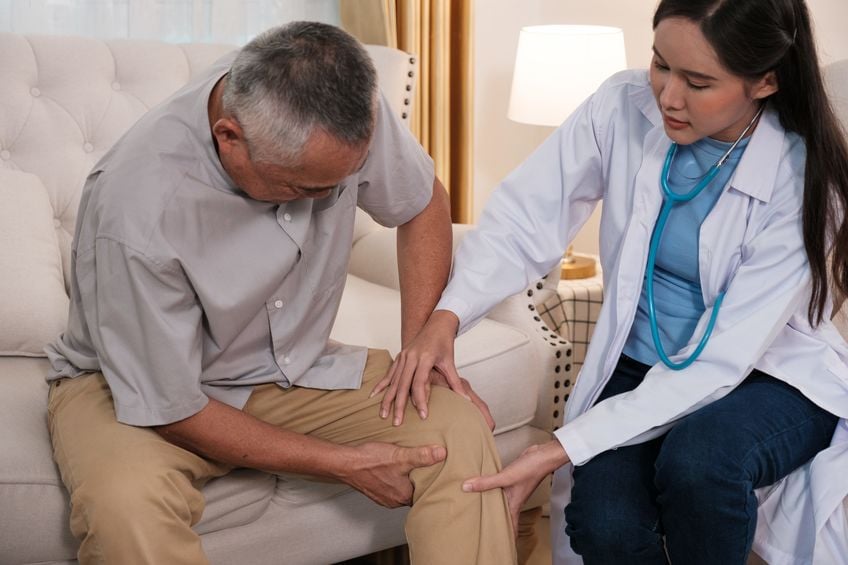
A patellar tendon tear often shows up suddenly. The knee may feel weak, unstable, or unable to support weight, sometimes with a noticeable gap below the kneecap. Walking, standing up, or straightening the leg can become difficult or impossible. In cases of a complete patellar tendon tear, surgery is usually required to restore knee function and stability.

What the surgery fixes
The patellar tendon connects the kneecap to the shinbone and plays a major role in straightening the leg. During surgery, the torn tendon is reattached to the kneecap using strong sutures or anchors secured through the bone. Surgical intervention is necessary to restore the normal connection so the quadriceps muscle can function properly again. Surgery is typically followed by a period of protection to allow the tendon to heal securely.
The first few weeks after
The early recovery phase focuses on protecting the repair. The knee is usually placed in a hinged brace locked straight for 4-6 weeks. Weight bearing is often limited at first, with crutches used to reduce stress on the tendon. Early exercises are gentle and designed to prevent stiffness and muscle loss, such as quad tightening, ankle pumps, and straight leg raises. Swelling management through elevation and icing is also important during this stage.
Getting movement back
After the initial healing period, the brace may be adjusted to allow controlled bending. Range of motion is increased slowly, often starting with small degrees of flexion and progressing week by week. This phase helps prevent stiffness while continuing to protect the tendon when strengthening back up. Pushing motion too quickly can risk the repair, so progress is usually monitored closely by a physical therapist.
Rebuilding strength
Once basic movement returns, rehabilitation shifts toward strengthening. Exercises begin to target the quadriceps, hips, and surrounding muscles that support the knee. Activities may include light squats, step-ups, and stationary cycling. The brace is gradually weaned as strength and control improve. This phase helps rebuild confidence in the knee and prepares the leg for more demanding movement.
Returning to activity
Later stages of rehab focus on restoring full function. Strength training becomes more challenging, balance improves, and light agility or jogging may be introduced when appropriate. For people returning to sports or high-impact activities, rehab often includes jumping drills and sport-specific movement once strength approaches that of the uninjured leg. This phase can extend several months, depending on activity goals.
Habits that protect healing
Keeping the knee straight while walking in the brace helps protect the repair early on. Avoiding pillows directly under the knee while resting can prevent stiffness in extension. Resistance and load should increase slowly during strengthening to avoid setbacks. Pain that feels sharp or extends beyond normal soreness should be discussed with a provider or therapist.
Recovery takes time
Patellar tendon repair requires patience. Most people return to regular daily activities well before full sports clearance, but complete recovery often takes 4-6 months or longer. Consistent rehab, realistic expectations, and consistent progress play a major role in outcomes. With proper care and rehabilitation, many people regain strong, stable knee function and return to preferred activities.