Getting Back On The Course
Elbow pain can take the fun out of golf fast. Pain not only shows up on the course but also appears in everyday life. For golfers, that ache makes a smooth swing much more difficult. Rest alone is often not enough to treat golfer’s elbow. The joint needs work to come back stronger. The payoff is getting through a round without constant pain.

Take a break from strain
Golfer’s elbow often comes from gripping too hard and swinging too often, so the first step is putting the clubs down. Take a short break for a couple of weeks, and avoid lifting heavy bags, tools, or weights that strain the arm. The break helps the tendon heal and keeps the pain from lingering. A little patience early on prevents a lot of frustration down the line.
Ice and heat daily
Switching between ice and heat can help ease pain and stiffness. Ice the elbow early on, holding a cold pack on the affected elbow for around 15 minutes each time. Cold reduces swelling and dulls sharp pain. As the soreness eases, heat can relax the muscles around the elbow. Use a warm towel or heating pad for a few minutes before stretching to relax the arm.
Stretch with care
When things calm down, start adding light stretches to loosen the joint. A wrist flex stretch helps loosen the forearm and gets blood moving. Stretch by holding the arm out, palm up, and pulling the fingers back to feel the stretch through the forearm. Hold for 20 seconds, and repeat 3 times, twice a day. Keeping the forearm flexible reduces strain and prepares the elbow for stronger movements.
Focus on the muscles
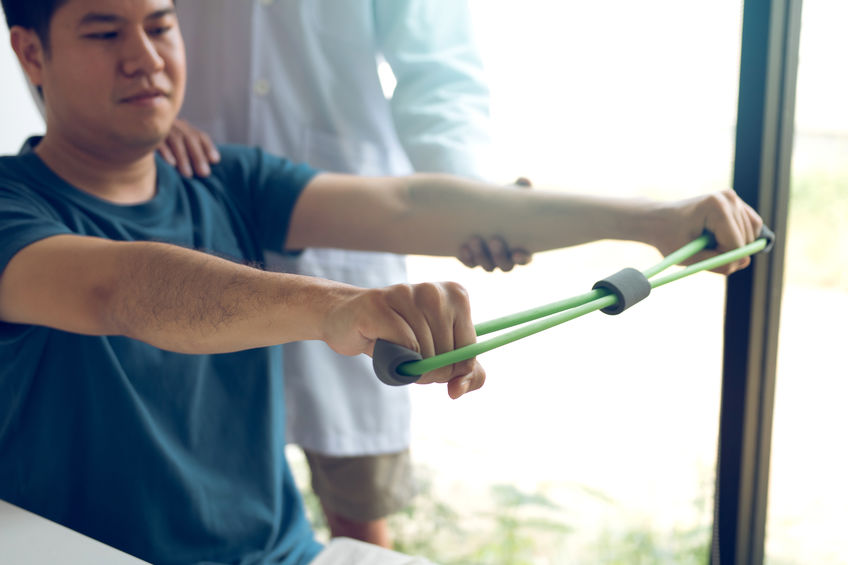
Building strength takes pressure off the elbow. Light resistance training helps strengthen the joints without adding strain. Set the arm on a table, palm up, and grab a light weight. Lift the hand slowly, then lower the hand back down. Do a set of 10 to start, then build up to more if the elbow feels okay. Consistency matters more than weight.
Adjust clubs and swing
Sometimes the issue is not just the elbow but the gear and the swing. Midsize or cushioned grips take pressure off the hands and forearm. At the range, work on shorter, smoother swings so that power comes from balance rather than strain. A golf coach or even a phone video recording can reveal habits that overload the joint.
Ease back into play
Getting back on the course after experiencing golfer’s elbow takes patience. Begin with putting and chipping, where control matters more than force. Add half swings once the elbow handles light practice without pain. Play a few holes first, then move to 9, and later a full round. Let comfort set the pace, not the calendar.
The last option on the table
Most cases of golfer’s elbow improve with rest and therapy, but some do not. When pain lasts for months despite treatment, surgery may be worth discussing. The procedure removes damaged tissue and reattaches healthy tendon, followed by several months of recovery. Surgery is not the first option, but for stubborn injuries, this approach can provide relief and make golf possible again.
When recovery pays off
Healing from golfer’s elbow is not about rushing or pushing through pain. Recovery means resting when needed, easing back into movement, and making changes that lower the chance of setbacks. Progress can be as simple as finishing a few holes without discomfort. Recovery rarely moves in a straight line, but consistency brings the reward of being able to play again.