Relief Without The Guesswork
Elbow pain wears people down fast. What starts as a small ache can hang around and get worse if nothing changes. When discomfort from elbow pain drags on, the search for answers often leads to quick fixes that sound easy but fall short. Friends, family, or online advice often sound helpful, but plenty of it misses the mark. Myths about recovery can keep the elbow sore longer than necessary. Clearing that up makes non-surgical care much more effective.

1. All you need is rest
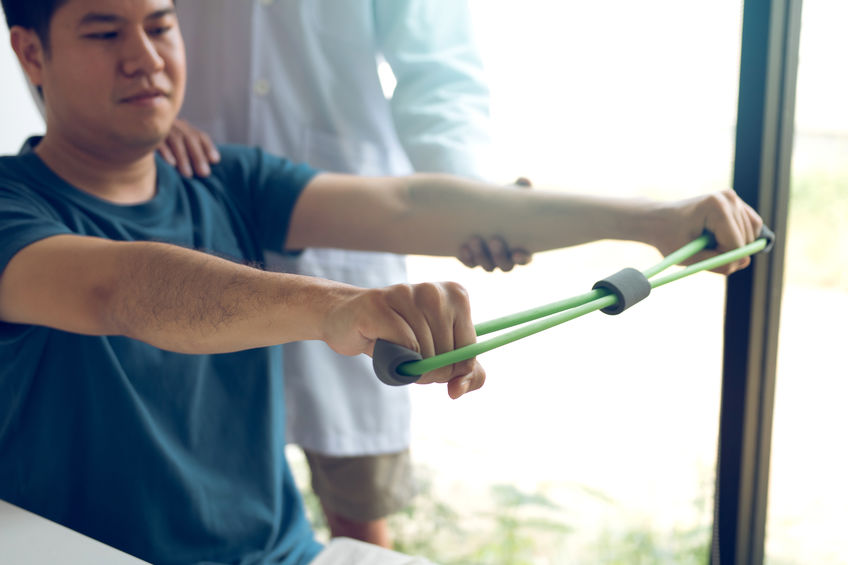
Taking a break helps ease pain at first, but staying inactive for too long makes recovery harder. Muscles lose strength, joints tighten, and circulation slows down. Everyday movements such as opening a jar, carrying groceries, or turning a steering wheel start to feel heavier than before. Light stretching and lifting, as well as short walks, keep the elbow moving and support a full recovery. A little motion each day makes lifting, carrying, and gripping feel easier again.
2. Physical therapy is just for athletes
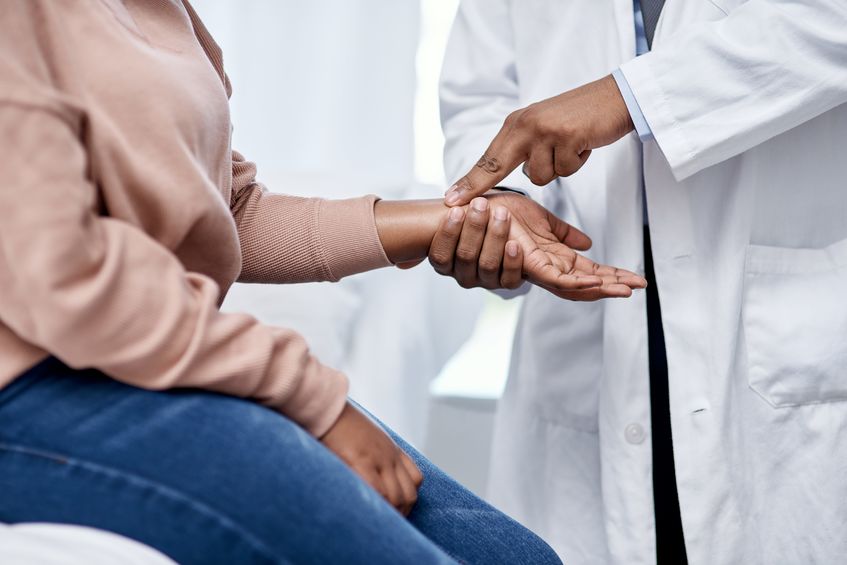
Many believe physical therapy (PT) belongs only on the sideline or in the training room. However, office workers, parents, gardeners, and anyone using arms day after day benefit from guided therapy. Stretching, strengthening, and hands-on care help restore movement for tasks such as carrying laundry, cooking, or typing. PT is not reserved for pros. Support is meant for anyone dealing with pain that lingers or interferes with simple tasks.
3. Pain medicine leds to dependence
Worry about dependence keeps many from using pain relief at all. Short-term use, when guided by a doctor, can bring comfort without long-term risk. Less pain means chores and exercise feel possible again. That kind of relief gives the elbow a chance to move, stretch, and rebuild strength instead of staying locked in discomfort. Pain medicine works best as support during recovery, not as a standalone cure.
When surgery may be needed
Most arm pain improves with rest, therapy, and short-term relief. Surgery usually comes into play only after months of care with little to no improvement. Severe tears, fractures, or pain that keeps getting worse despite treatment can point toward a surgical solution. Even then, surgery is often the last step, not the first. Knowing the difference helps set clear expectations and keeps focus on options that work before considering an operation.
Making pain manageable
Living with arm pain can turn work, home projects, and even small movements into a source of stress. The frustration grows when advice feels unclear or results take longer than expected. Keeping the arm active with the right support makes the pain easier to live with. Recovery takes time, but elbow strength can build back piece by piece with exercise and care.