Game-Changing Knee Repair
Anterior cruciate ligament (ACL) injuries are among the most common and debilitating sports-related injuries, often sidelining athletes for months. However, advancements in orthopedic surgery have led to minimally invasive ACL reconstruction techniques that reduce recovery time and improve outcomes. While non-surgical treatments may work for less active individuals, athletes typically require surgical reconstruction to safely return to sport.

Can you avoid surgery?
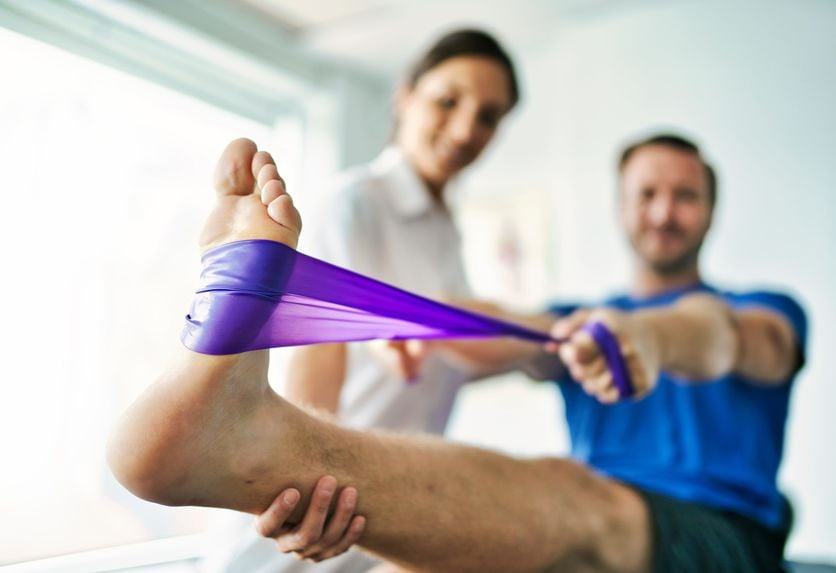
For partial ACL tears or less active patients, non-surgical treatment may be an option. This involves focused physical therapy to strengthen knee-stabilizing muscles and improve movement control. While braces offer temporary support, braces cannot prevent long-term instability. Without surgery, some patients risk ongoing instability and potential joint damage. Success requires strict following rehab guidelines and often permanent activity adjustments.
How repairs work
ACL reconstruction starts with graft selection, using either the patellar tendon or hamstring tendon of the patient or donor tissue. Small incisions allow arthroscopic access to the knee joint, where the torn ligament is removed, and bone tunnels are drilled into the tibia and femur. The graft is threaded through these tunnels and secured with biocompatible screws or fixation devices, stabilizing the knee for natural bone integration.
Knee recovery timeline
The first 2 weeks of recovery target swelling control and restoring basic knee motion. Weeks 2-6 introduce weight-bearing and strength exercises. Between 6-12 weeks, patients progress to agility and sport-specific drills. Full return to competition requires meeting objective strength and stability metrics, typically achieved by 4-9 months. Consistent physical therapy throughout this process ensures proper healing and reduces re-injury risk.
Will it go back to normal?
While most athletes regain excellent function, some differences are common. Many notice occasional stiffness after sitting, minor swelling after intense activity, or increased sensitivity to weather changes. However, these changes rarely limit performance. Most return to competitive play without restrictions. The knee will be game-ready rather than perfect. Proper long-term conditioning helps maintain near-normal feel during sports and daily activities.
Strong and safe comebacks
Building and maintaining leg strength is important, especially in the thighs. Proper training helps relearn safe jumping, landing, and quick direction changes. Most athletes need a full 9 months of recovery before returning to sports, often using a protective brace at first. Pay close attention to any new pain or swelling, and never skip prescribed rehab exercises. Following this complete recovery plan gives the best chance for lasting results and a safe return to action.
No more sidelines
ACL injuries no longer mean the end of an athletic career. With modern minimally invasive reconstruction techniques and structured rehabilitation, athletes can regain full knee stability and return to competitive sports. While conservative management remains an option for less active individuals, surgical reconstruction combined with dedicated physical therapy offers athletes the best chance for a safe return to peak performance.