Why Does My Hip Keep Catching?
Hip pain is not always caused by arthritis or a muscle strain. For some patients, the problem involves the labrum, a ring of cartilage that helps stabilize the hip joint. When the hip labrum tears, everyday movements can become uncomfortable. Certain activities may trigger pain, clicking, or a feeling that something is not moving correctly inside the joint. Many patients describe the sensation as something catching deep inside the hip. Walking, getting in and out of a car, or turning quickly may become increasingly uncomfortable over time.

Common signs of a tear
Symptoms vary from person to person. Some patients experience a deep ache in the groin or front of the hip, while others notice sharp pain during twisting, pivoting, or athletic activity. Clicking, popping, catching, or a sensation that the hip is locking can also occur. Symptoms often worsen during activities that require rotation of the hip. Sitting for long periods may also become uncomfortable for some patients.
Why diagnosis can be tricky
Hip labral tears often mimic other conditions. Groin strains, hip flexor injuries, lower back problems, and even arthritis can create similar symptoms. Because several conditions can cause pain in the same area, diagnosis often requires more than symptoms alone. Some patients spend months treating the wrong problem before the source of pain is identified.
How doctors identify a tear
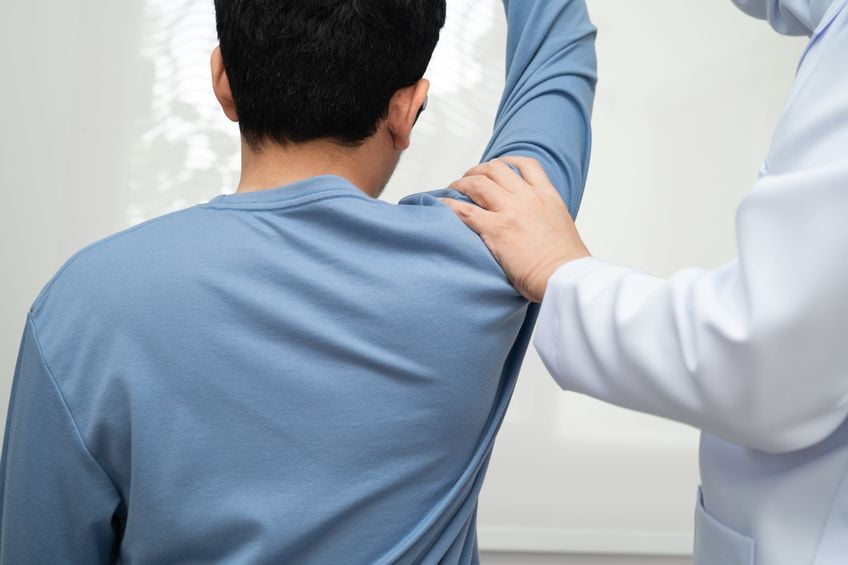
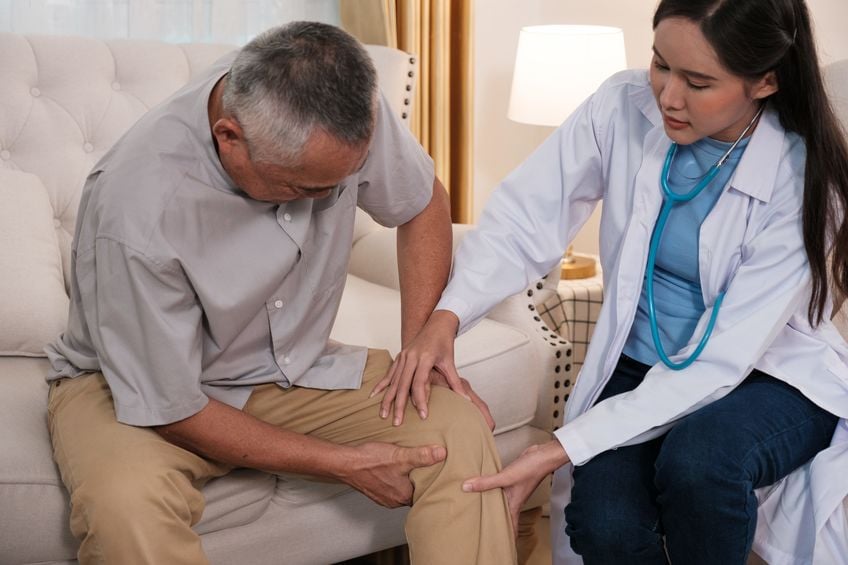
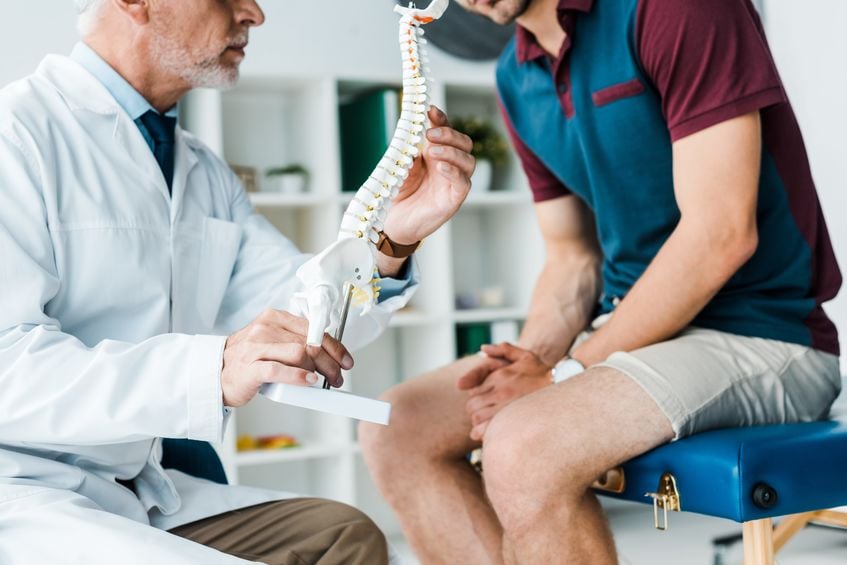
A diagnosis usually starts with a conversation about symptoms and a physical examination of the hip. Certain movements may trigger the same pain, catching, or stiffness experienced during daily activities. Imaging is often part of the process as well. X-rays can help identify structural issues such as hip impingement, while an MRI may provide a better view of the labrum and other soft tissues. The imaging may also reveal factors that contributed to the tear.
When is surgery required
Many hip labral tears are initially treated with activity modification, physical therapy (PT), anti-inflammatory medications, or other conservative measures. Not every labral tear requires surgery. For some patients, the biggest issue is not the tear but the inability to return to normal activities without pain. When symptoms continue despite treatment, arthroscopic surgery may be considered.
What arthroscopy involves
Hip arthroscopy is a minimally invasive procedure performed through several small incisions. A tiny camera allows the surgeon to view the inside of the joint while surgical instruments are used to address damaged tissue. Depending on the injury, the labrum may be repaired, reconstructed, or trimmed. Underlying issues contributing to the tear may also be addressed during a hip arthroscopy. Treating both the tear and the underlying cause may help reduce the risk of future problems.
Recovery takes time
Hip arthroscopy is commonly performed as an outpatient procedure, allowing patients to return home the same day. Crutches are often needed during the early stages of recovery, followed by PT. Recovery timelines vary depending on the extent of the injury and the procedure performed. Strength, mobility, and activity levels typically return gradually rather than all at once.
Looking beyond the pain
Persistent hip pain, clicking, catching, or loss of mobility should not automatically be dismissed as a pulled muscle or a normal part of aging. Hip labral tears can interfere with daily activities and athletic performance, but appropriate evaluation can help identify the source of symptoms and determine the appropriate treatment. For many patients, finally putting a name to the problem is the first step toward meaningful relief.