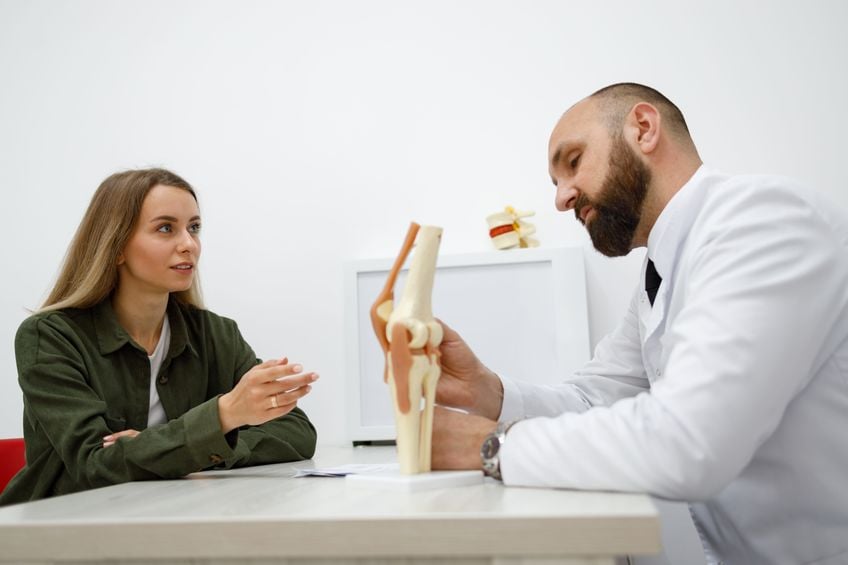
Is Surgery Necessary For ACL Repair?
Having an ACL tear is one of the most common ligament injuries a person can get. Formally known as the anterior cruciate ligament, the crucial tissue helps stabilize and support the knee joint during movement. Athletes are often prone to ACL tears but even less active people are at risk. The damage is most likely to occur during sudden stops when jumping, running, or turning, during blunt force to the side of the knee, and during joint overextension. Although some cases will only be repaired through surgery, some people can opt for non-invasive treatments such as regenerative medicine.

Standard treatment options
In the past, a damaged ACL ligament was either treated with at-home treatments or with surgery. The most common non-invasive treatments include physical therapy, supportive devices such as knee braces, and temporarily pausing activities that contributed to the injury. Still, surgery is typically reserved for more severe or widespread damage where the ligament was unlikely to heal independently or needs to be replaced. Similarly, if the joint was found to be unstable, surgery would be recommended.
Alternative ACL repair solutions
Over time, regenerative treatments have become increasingly popular as non- or minimally invasive options for healing ACL tears. In particular, the methodology is incredibly popular as a viable alternative to ACL grafts. Historically, replacing tissue was a go-to solution for widespread damage. However, because the process often uses donor tissue, tissue rejection, recurrent damage, and the heightened chance of developing osteoarthritis later in life were all potential side effects that made the surgery risky. Regenerative medicine reduces many of those concerns.
ACL regeneration explained
Regenerative ACL repair uses the body’s self-healing properties instead of grafting tissue. A variety of materials have been proven effective, including stem cells, collagen, hyaluronic acid, alginate, silk fibers, and chitosan. However, stem cells are a top option due to the durability of the material. Likewise, silk fibers are also strong and work well when combined with options such as collagen. Still, many of these regenerative materials are in early stages of research and are not widely available options for most injured individuals.
PRP regenerative treatments
Outside of trials or under the care of very pioneering physicians, most people with ACL tears who would benefit from regenerative treatments are likely to be offered platelet-rich plasma (PRP). The process involves using a patient’s own blood, which is then centrifuged to separate the plasma and platelets from the red blood cells. Once the platelet-rich material is extracted, the sample is then injected at the injury site to promote wound healing. Sometimes PRP can be used alone for less extensive ACL tears. In other cases, physicians might recommend undergoing an injection ahead of surgery to help improve recovery. Additionally, PRP is often used as a post-surgical treatment to speed healing.
Ideal PRP candidates
Not every person with an ACL tear is going to be a perfect candidate for PRP treatment. The practice will only be recommended after undergoing diagnosis and ruling out other treatment options. Keep in mind that some people may need PRP combined with other treatments if the ligament damage is widespread. Also, understand that high-performance athletes might be encouraged to attempt different treatments than a less active individual. People with an ACL injury should consult an orthopedic specialist to determine the best course of recovery.