A Path To Pain-Free Living
Joint discomfort, especially around the knee, is a common ailment affecting millions annually. Causes range from age-related wear and tear to acute injuries. Symptoms often include pain, swelling, and a reduced range of motion, making daily activities challenging. Recent statistics suggest an increasing trend in knee-related issues among middle-aged adults, indicating a need for effective management strategies. Understanding the root cause of knee pain is crucial, as the level and type of pain determine the treatment approach.

Exploring arthroscopic methods
Knee surgery encompasses various procedures designed to repair specific knee issues, ranging from torn ligaments and damaged cartilage to misalignments. Commonly performed through minimally invasive arthroscopic techniques, these surgeries involve small incisions and the use of a camera to guide miniature instruments. More complex issues may require reconstructive surgery to restore function and reduce pain. Deciding on knee surgery involves knowing the potential benefits, recovery time, and rehabilitation needed to achieve optimal outcomes.
Total vs partial replacement
Knee replacement surgery, or knee arthroplasty, is recommended for severe knee damage usually caused by arthritis or significant injuries. This procedure replaces damaged knee parts with artificial components made of metal and plastic. The procedure can be a total replacement, where the entire joint is replaced, or a partial replacement, targeting only damaged sections. The goal is to reduce pain, enhance mobility, and improve quality of life when less invasive treatments fail. Recovery involves rigorous physical therapy to regain strength and mobility.
Alternatives to surgery
Physical therapy is frequently recommended to strengthen the muscles around the knee, enhancing stability and flexibility. Medications, including anti-inflammatories and analgesics, can reduce pain and swelling. Lifestyle modifications, such as weight management and low-impact exercise, also play a critical role in reducing symptoms and preventing further joint deterioration. These alternatives can be effective for managing pain and are worth considering before opting for surgery.
Making the right choice
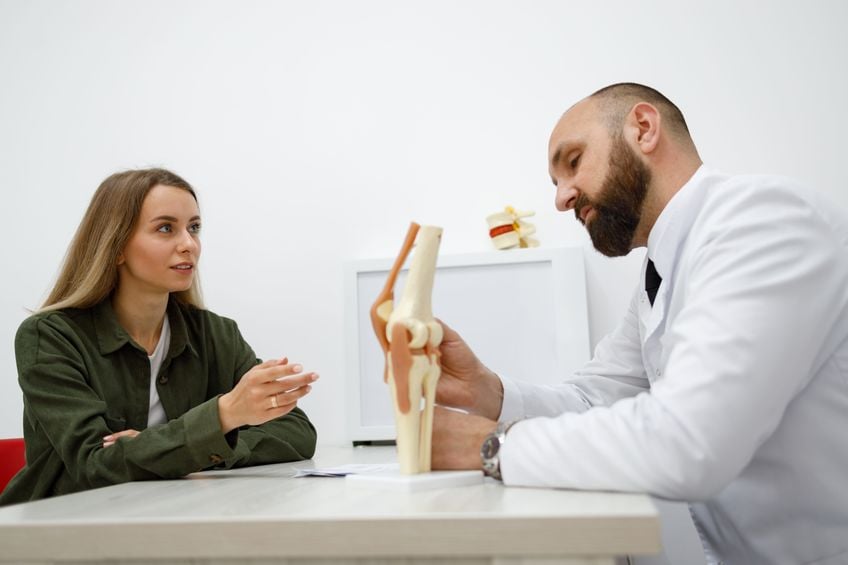
Consider several factors, including the severity of pain, overall health, and personal lifestyle. Consult with a healthcare provider who can offer a thorough diagnosis and advice based on individual medical history and pain levels. Discussions should include evaluating how pain affects daily life and the potential benefits and drawbacks of each treatment option. The decision should align with personal health goals and quality of life expectations.
Getting back to basics
Choosing the best approach to knee pain involves careful consideration and collaboration with healthcare professionals. Whether through surgery, knee replacement, or alternative therapies, each treatment option offers a route to relief designed to meet the health needs and lifestyles of each patient. Staying informed and engaged in the treatment choices ensures a smoother recovery and a quicker return to daily activities, ultimately enhancing quality of life.